

What is Maitake Mushroom Capsules good for?
 2026-02-06 15:36:47
1. Cultural and Botanical History.
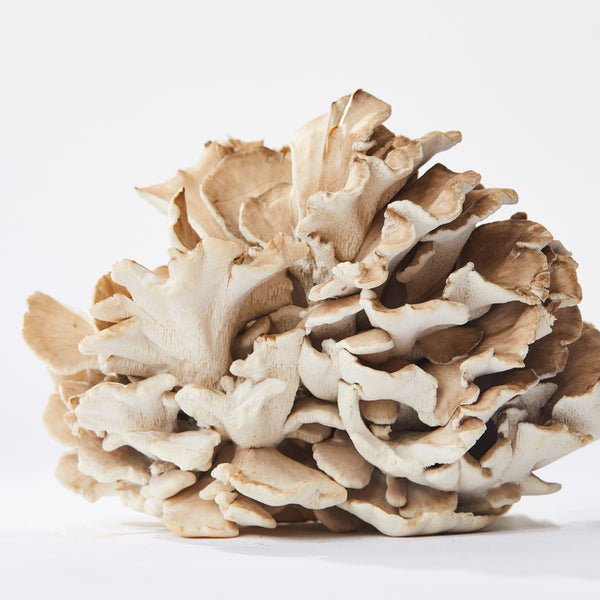
Maitake thrives as clustered forms at the feet of the hardwood trees and has been appreciated because of its good taste and texture. Industrially, the history of maitake as an edible compound gives it a bargaining edge in terms of acceptance in the supplement market as a food-based product as compared to synthetic food additive.
Maitake Mushroom Capsules usually have dried powder of fruiting body of maitake or standardized extracts, which provides an alternative method of adding the mushroom to daily foods without cooking or changing them.
If you’re intrigued by Ciyuan Bio, Claim your free sample today! Need technical support for formulation or OEM/ODM solutions tailored to your brand? Reach out to us now or contact selina@ciybio.com.cn —we’re ready to collaborate.

Maitake Mushroom Capsules
Specifications: Customized
MOQ: 100 Bottles
Packing: 100bottles/carton or Customized
Certificate: ISO22000; HALAL; KOSHER; FDA
Shipping: Express;Sea; Air
Payment:TT;LC;West Union;Paypal;Alipay
Samples:1 bottle free sample for test
Shelf life: 24 Months in The Cool Dry Place
All of our products can be customized with raw materials and finished products such as capsules, tablets, pills, and small packaging according to your requirements! Ciyuan can also do free design,OEM packing, and private label. Our plant extract are crafted with your unique needs and are packed with the power of plants. 100% vegan, gluten- and lactose-free.
2. General Overview Nutritional Composition.
The maitake mushrooms are naturally blessed with various nutrients that are normally present in edible mushrooms. Although the precise profiles depend on growing conditions and processing, in food science literature, maitake is known to contributes:
Fiber in the diet - Dietary fiber is commonly known to provide a sense of ease in the digestive system when ingested in moderation.
Naturally occurring polysaccharides - Complex carbohydrates which are widely studied in mushrooms.
Micronutrients - Contain various minerals and B-group vitamins, which are present in most edible fungi.
All these elements are condensed in a standard portion in capsule form, which may be beneficial to consumers who want to have a predictable amount of intake.
3. Comfort and Fit-in Style.
Convenience is one of the factors that make consumers use Maitake Mushroom Capsules. In comparison to fresh mushrooms, capsules:
Refrigeration is not necessary.
Can be transported and stored easily.
Eschew taste or texture preferences.
Capsules are a convenient method to add mushroom-based products to the routines of people with busy schedules, as well as other daily supplements or wellness practices.

4. General Wellness Support (Non-Medical Context).
Supplements of maitake mushrooms usually accompany a wellness lifestyle in the supplement industry. This position is based on the general balance and not just on the health outcomes. Common customer drives are:
Strongly in favor of daily life.
Supplementing vegetarian or whole food diets.
Introducing diversity to nutrition.
Notably, trusted brands do not position maitake capsules as remedies to certain ailments but focus on the importance of the product about its status as a food-based supplement.
6. Flexibility of Contemporary Dietary Fashions.
Maitake mushroom capsules are in line with some current dietary trends:
Plant-based lifestyles - Since it is a non-animal derived ingredient of food.
Clean-label trends - Particularly in cases where the products have few additives.
Interest in functional foods - It is where consumers are interested in more than just basic nutrition.
Since Maitake has a culinary history, it is thought to be accessible to the consumer versus botanical ingredients that are not familiar.
7. Production and Quality Issues.
Product quality is one of the factors that are considered by industry professionals and educated consumers. The capsules of Maitake mushrooms may vary greatly with:
Source of raw material - Wild-harvested or cultivated.
Part used Fruiting body versus mycelium
Processing procedures - Drying, milling or extraction procedures.
The products of high quality are usually labeled transparently, with the origin, and clear explanations of the processing of mushroom material.
8. Supply Chain Factors and Sustainability.
The concept of sustainability has become popular in the supplement market. Maitake mushrooms are usually grown in controlled environment and this can alleviate pressure in the wild ecosystems. The capsule formats also enable an economical utilization of the raw material since the dried mushrooms have a higher shelf life and have a lower transportation weight than fresh products.
Environmentally conscious consumers tend to like brands that focus on responsible sourcing and tracing.
9. Who Are the Frequent consumers of Maitake mushroom capsules?
Maitake Mushroom Capsules are commonly picked by:
Adults who may be interested in supplements made of mushrooms.
Customers who are interested in consuming different types of vitamins.
Customers who like food-origin products.
The usage is normally posed within the context of an overall routine that could involve healthy eating habits, exercise, and conscious lifestyle.
10. Learning the Label Language and Expectations.
In the aspects of compliance and consumer education, one should know how maitake mushroom capsules are characterized. Responsible labelling dispenses with promises but targets:
Ingredient identity
Serving size and form
Manufacturing standards
The consumers have been urged to consider these capsules as an addition to, rather than a substitute of a balanced diet.
Conclusion
Maitake Mushroom Capsules have a niche in the supplement industry because it is a culturally familiar, food-derived supplement offered in a contemporary and convenient format. There is a value that they are usually appreciated by their nutritional makeup, convenience, and can fit the plant-based lifestyle. Being treated with realistic expectations and consideration of quality, the maitake mushroom capsules may be perceived as an informational, neutral additive to daily wellness practices as opposed to a product with particular health effects.
References
Chang, S. T., & Miles, P. G. Mushrooms: Cultivation, Nutritional Value, Medicinal Effect, and Environmental Impact. CRC Press.
Wasser, S. P. “Edible and Culinary Mushrooms: Nutritional and Functional Properties.” International Journal of Food Sciences and Nutrition.
Mattila, P. et al. “Nutritional Value of Commercially Grown Edible Mushrooms.” Journal of Agricultural and Food Chemistry.
Contact us
If you’re intrigued by Ciyuan Bio, Claim your free sample today! Need technical support for formulation or OEM/ODM solutions tailored to your brand? Reach out to us now or contact selina@ciybio.com.cn —we’re ready to collaborate.