

Is jujube good for the kidneys?
 2026-01-12 17:07:52
1. Jujube as a Food-Based Ingredient.
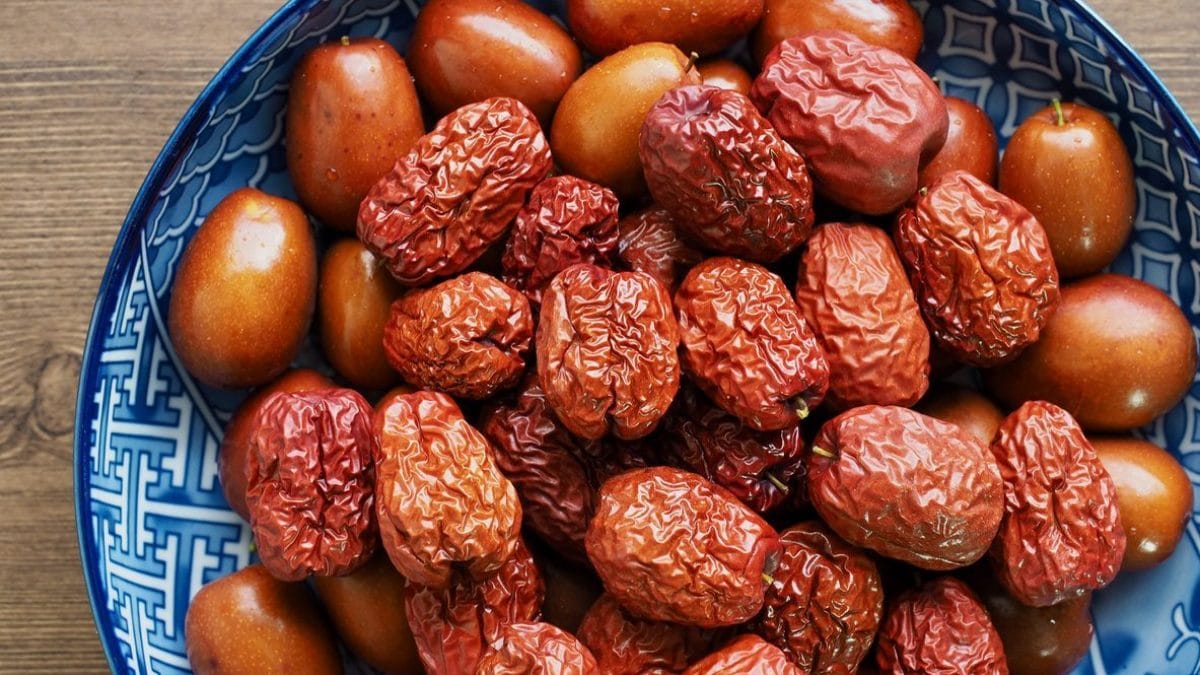
Jujube has a history of consumption over the centuries in many ways such as fresh, dried snacks, teas, and cooking preparations. It is also incorporated into dietary supplement and functional food categories within the modern market in the form of powders, extracts and even capsules.
Jujube Capsules are seen as a primary industry predominantly as:
A fruit-derived ingredient
A natural source of nutrients.
A traditional food that is widely accepted culturally.
The debate on whether it has any relation to particular organs, including the kidneys, is usually based on nutrition and lifestyle, instead of physiological impacts.
If you’re intrigued by Ciyuan Bio, Claim your free sample today! Need technical support for formulation or OEM/ODM solutions tailored to your brand? Reach out to us now or contact selina@ciybio.com.cn —we’re ready to collaborate.

Jujube Capsules
Specifications: Customized
MOQ: 100 Bottles
Packing: 100bottles/carton or Customized
Certificate: ISO22000; HALAL; KOSHER; FDA
Shipping: Express;Sea; Air
Payment:TT;LC;West Union;Paypal;Alipay
Samples:1 bottle free sample for test
Shelf life: 24 Months in The Cool Dry Place
All of our products can be customized with raw materials and finished products such as capsules, tablets, pills, and small packaging according to your requirements! Ciyuan can also do free design,OEM packing, and private label. Our plant extract are crafted with your unique needs and are packed with the power of plants.
Reach out to us and Claim your free sample today!
2. Nutrient Composition Relative To overall Dietary spike.
Jujube has various nutrients that add up to the total dieting. These include:
Natural carbohydrates and sugar.
Dietary fiber
Vitamins e.g. vitamin C and some B vitamins.
Such minerals include potassium, magnesium, iron and calcium.
The vegetable substances such as polysaccharides and flavonoids.
Minerals such as potassium and magnesium are commonly referred to in the context of balanced diets in discussions that have a nutritional inclination. Nevertheless, it is noteworthy regarding the communication within the industry not to refer to these nutrients as the direct cause of organ-specific consequences.
3. Hydration and Whole-Food Consumption Context.
Kidneys are widely reviewed within the hydration and dietary trends. When eaten either as a whole food or used in teas and soups, jujube is a source of moisture and naturally occurring electrolytes in the diet.
Jujube Capsules can be linked with:
Traditional beverages
Warm infusions
The nourishment-based hydration plans.
These descriptions are general dietary patterns and do not mean any direct relationship between this functional domain and the competence of the kidney.
4. Conventional Food Views and Culture.
Jujube has been considered a balancing ingredient in traditional Asian food culture. It is commonly used with grains, spices or other fruits in soup and broths that are meant to balance seasonal or lifestyle.
Knowledge in the industry:
Cultural dietary philosophy is traditionally used.
Jujube is recommended to be added as a flavoring agent, to balance and be compatible.
Meanings differ in space and time.
In the modern industry communication, it is an established heritage that is usually mentioned without being translated into the contemporary health claims.

5. General interest in Plant Compounds and General Antioxidant Interest.
Jujube has naturally occurring plant compounds such as flavonoid and phenolic compounds. Such compounds have been thoroughly examined in numerous fruits due to their antioxidant activity.
In the functional and supplement food industry:
Antioxidants are placed in supportive positions of general cellular balance.
Arguments are general and unspecified.
Language is concerned with general wellness and not division of the body.
This strategy conforms to the regulatory expectations and does not have misleading implications.
6. Fiber in the diet and Everyday Nutrition.
Jujube fruit has been identified to contain dietary fiber. Fiber is involved in general digestive procedures and it adds to the feeling of food completeness.
On an industrial communication perspective:
Fiber is linked with healthy eating habits.
It does not promote the specific results of nutrition but the everyday one.
Messaging does not use internal organ functionality mention.
In the case when jujube supplements contain fiber, they are usually placed as the part of daily dietary diversity.
7. Jujube Supplement Formulations in Modern Supplements.
Jujube is presented in different product formats in modern markets, including:
Single-ingredient powders
Capsules or tablets
Herbal or botanical blends
Snack and functional beverage products.
Consumption of these products is usually targeted to overall wellness, traditional inspiration or clean-labeled products. Any reference to the body systems is typically indirect and placed within the context of lifestyle narratives other than the biologic machinery.
8. Mineral Content and Industry Communication Boundaries.
The mineral profile of Jujube, particularly potassium, is frequently mentioned as a frequently studied nutrient due to the fact that minerals are vital nutrients. Nevertheless, industry best practices must not be worded carelessly:
The minerals are claimed to supplement normal diets.
There is no direct correlation between jujube and kidney results.
Moderation and balance are highlighted through labels and marketing materials.
This will guarantee the adherence to international supplement and food standards.
9. Appropriateness to various Eating Habits.
The jujube fruits tend to be adaptable to various diet lifestyles such as plant-based, vegetarian, and vegan diets. The neutrality and mild sweetness makes it suitable to use in both food and supplementation.
This versatility is used in the industrial discourse to facilitate its additions in:
Competitor nutrition products that are sold daily.
Traditional-inspired formulations
Wellness products are based on generic wellness practices.
Once again, appropriateness is addressed on general dieting and not on a physiological basis.
10. Accountable Interpretation of Organ-Related questions.
Industry will tend to give a measure of caution and education when consumers query on whether jujube is good to the kidneys. Instead of providing specific answers related to organ-specific effects, responsible communication is concerned with:
Jujube as a source of food and nutrient.
Its role in the balanced diets.
The significance of general lifestyle and dietary habits.
Such a method considers the norms of regulations and avoids confusion.
Conclusion
Moving to the field of industry expertise, the Jujube Capsulesjujube can be seen as a classical fruit and botanical ingredient, which also adds nutrients, taste and cultural worth to the diet. Although it does have minerals and plant compounds that are frequently discussed in general wellness terms, there is no reason to present jujube as being specifically effective at the kidney in a direct or functional way. Rather, jujube can be included in the wider discourse of healthy eating, local culinary traditions, and new trends in supplements. Neutral and informational descriptions will guarantee both content and product communication accuracy, transparency, and compliance.
References
-
Gao, Q., Wu, C., Wang, M., & Li, X. (2013). The jujube (Ziziphus jujuba Mill.) fruit: A review of current knowledge of fruit composition and health-related aspects. Food Research International.
-
Chen, J., & Wang, Y. (2019). Nutritional characteristics of jujube and its applications in food products. Journal of Food Composition Studies.
-
United States Department of Agriculture (USDA). FoodData Central: Jujube (Chinese date).
Contact us
If you’re intrigued by Ciyuan Bio, Claim your free sample today! Need technical support for formulation or OEM/ODM solutions tailored to your brand? Reach out to us now or contact selina@ciybio.com.cn —we’re ready to collaborate.


_1754364813199.webp)
_1753261348722.webp)
_1753164869089.webp)
_1749800824131.webp)